November 21, 2026
Gutters may be a relatively small part of a home's exterior, but they perform an essential job whenever rain falls. By collecting runoff at the roof's edge and carrying it toward downspouts, they help prevent water from collecting where it can damage roofing materials, exterior walls, and the ground around the foundation. A well-functioning system protects more than roofing materials alone. Understanding how gutter installations manage runoff, what can interfere with drainage, and why routine upkeep matters helps homeowners recognize potential problems before extensive damage develops.
How Gutters Protect the Roofline
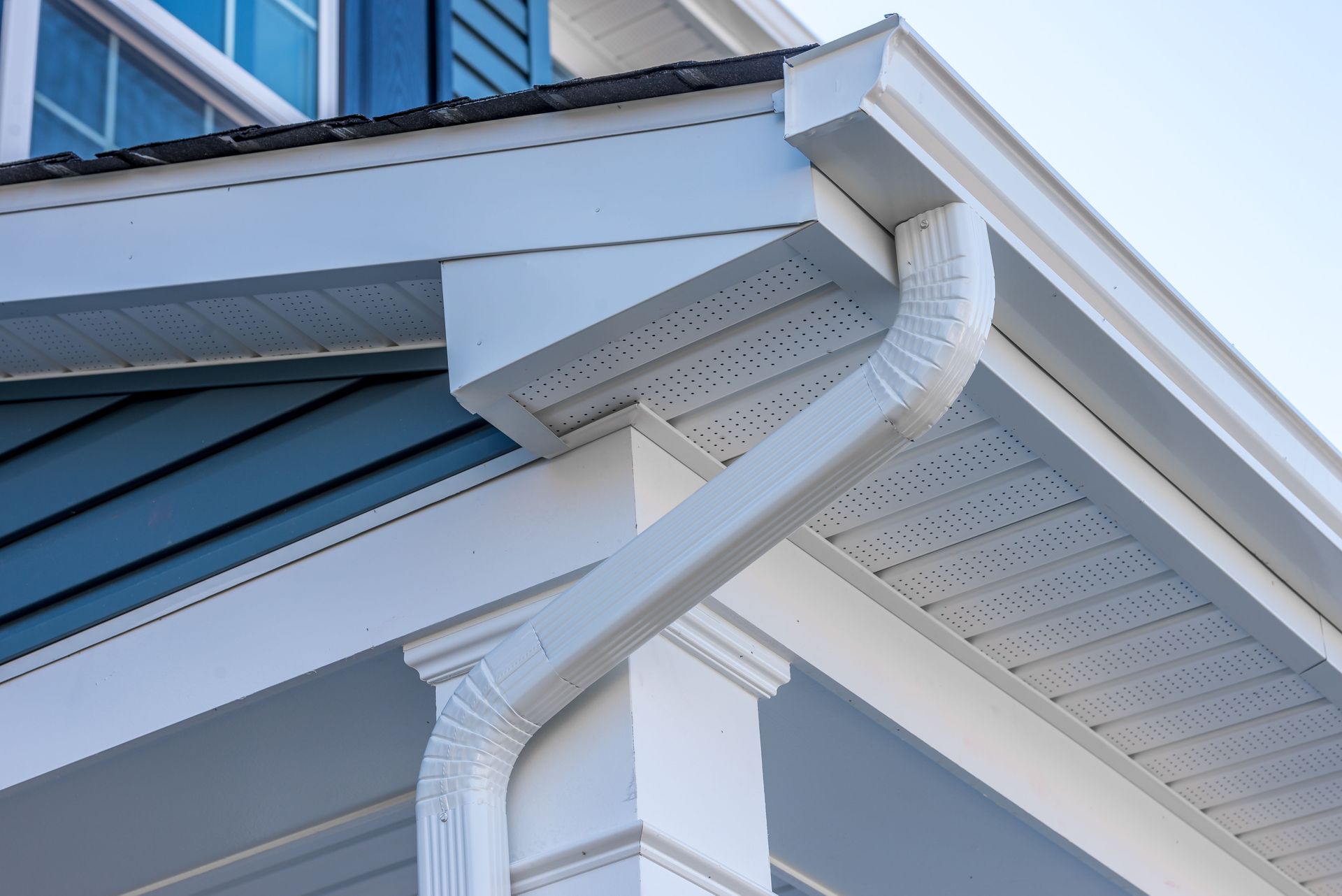
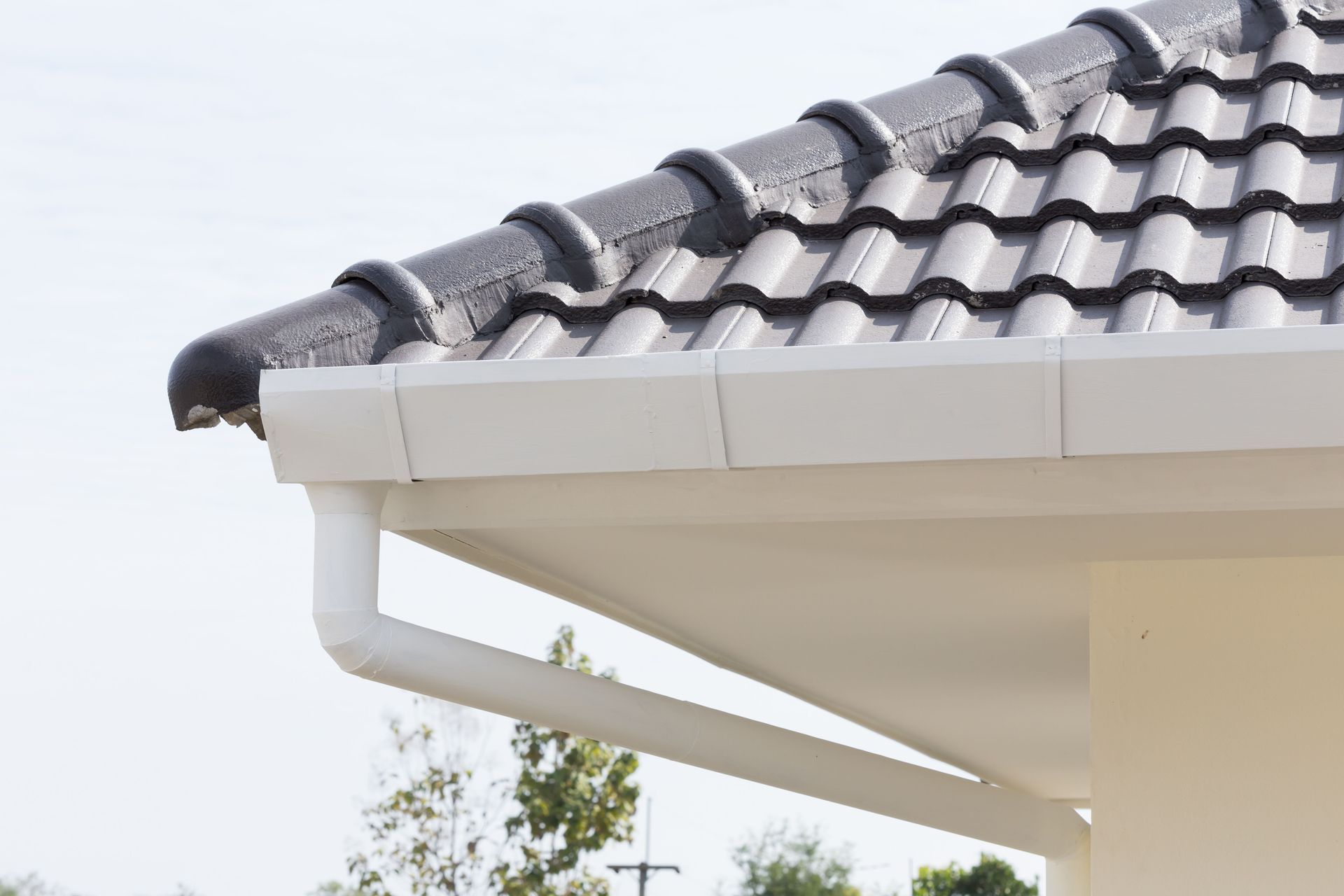
Rain naturally travels down a sloped roof, but it needs a controlled route away from the building. Gutters catch this runoff along the eaves and guide it into downspouts. Without that collection point, water may pour directly over the edge, repeatedly soaking fascia boards, siding, and the soil below. Over time, persistent moisture can contribute to wood deterioration and staining along the exterior. Water spilling behind a gutter can also reach concealed wood, where damage may remain unnoticed for some time.
Even well-planned gutter installations can develop drainage problems over time. A blockage may cause overflow, while poor alignment can allow water to stand in sections of the trough. During cold weather, these problems can aggravate conditions associated with ice buildup near the roof's edge. Keeping runoff moving helps reduce moisture exposure around vulnerable roofline components, although gutters cannot prevent every roofing issue.
Why Drainage Matters Beyond the Roof
The effects of uncontrolled runoff often extend well beyond shingles and trim. Water that repeatedly lands beside a house can saturate the surrounding soil, creating conditions that encourage seepage into basements and crawl spaces. Depending on the property and its drainage conditions, excess moisture may also contribute to foundation-related concerns. When downspouts discharge away from the house, they reduce the concentration of runoff near these areas. A downspout that empties too close to the foundation may leave soil saturated even when the gutter itself is clear.
Landscaping benefits from the same control. Heavy streams falling from the eaves can wash away mulch, displace soil, expose plant roots, and leave ruts beside walkways. Pooling water may damage sensitive plants or create slippery areas when temperatures drop. Gutters do not replace proper grading or broader drainage measures, but they provide a crucial first step by controlling where roof runoff leaves the building. This protection becomes especially important during repeated storms, when saturated ground absorbs less additional rainfall.
Understanding Gutter Materials and Designs
Gutter systems vary in material, profile, and construction. Aluminum is widely used because it resists rust and provides dependable performance without excessive weight. According to Today's Homeowners, aluminum gutters can generally remain serviceable for approximately 25 years with correct installation and consistent maintenance. Actual longevity depends on exposure, upkeep, and the condition of the surrounding roofline.
Seamless and sectional gutters also differ in how they are assembled. Sectional systems connect multiple lengths, creating joints that may eventually require attention. Seamless gutters use continuous runs fitted to the home, reducing the number of seams where leaks could develop. Neither construction type eliminates the need for cleaning or inspection, but fewer joints can help limit certain points of vulnerability.
Shape and capacity matter as well. K-style gutters have a familiar angular appearance, while half-round designs offer a more traditional profile. The roof's size, pitch, and expected rainfall influence how much water gutter installations must handle. Steep roof sections can concentrate runoff quickly, making the number and placement of downspouts another important consideration. Appropriate sizing helps runoff reach downspouts without regularly overwhelming the system during heavy rainfall.
Common Problems That Disrupt Water Flow
Leaves, twigs, and sediment can gradually collect in gutters, narrowing the path water needs to follow. During a storm, an obstruction may send runoff over the edge instead of into a downspout. Repeated overflow can leave visible streaks on siding, saturate nearby soil, and keep wooden fascia boards damp for extended periods. Homes surrounded by trees may experience debris buildup more frequently, particularly during seasonal leaf fall. Downspouts can become blocked too, causing backups even when the gutters themselves appear relatively clear. Severe storms may also dislodge connections or bend sections, creating drainage problems even without accumulated leaves.
Leaks and sagging create different challenges. Joints may deteriorate, sections can shift, and supports may loosen over time. A sagging gutter often holds standing water, which adds weight and increases stress on its attachments. Incorrect pitch can produce similar pooling even when the gutter appears secure. These problems may remain unnoticed until heavy rainfall exposes them.
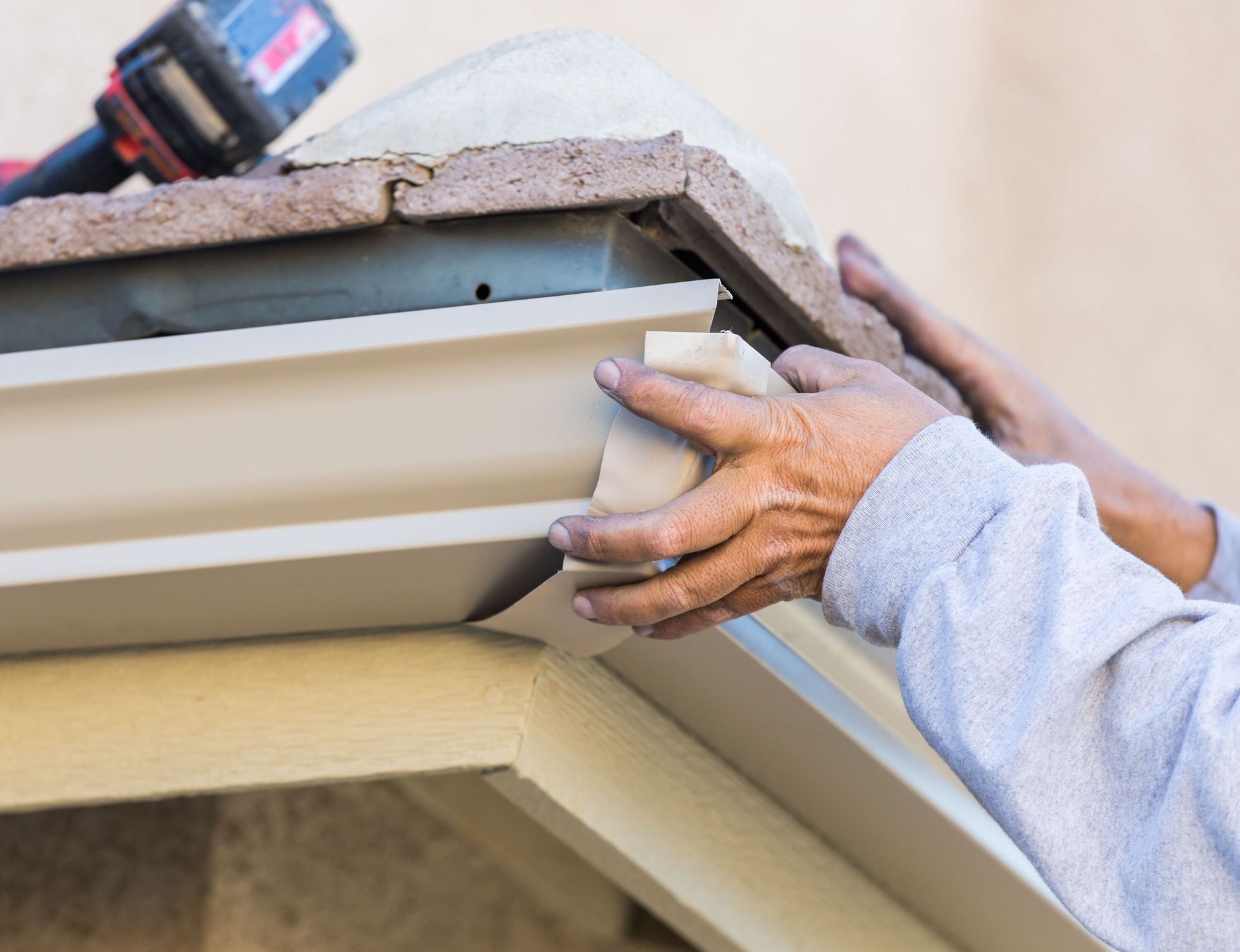
Professional evaluation can identify whether cleaning, adjustment, repair, or replacement is appropriate. In some cases, recurring drainage failures point to a mismatch between the roof's demands and the existing system. When a system is undersized or poorly configured, updated gutter installations may address underlying drainage limitations more effectively than repeated adjustments.
The Importance of Seasonal Maintenance
Even carefully planned gutter installations need ongoing attention. Debris accumulation, changing weather, and ordinary wear can affect performance over time. Professional cleaning and inspections are often scheduled around seasonal transitions, with more frequent attention where nearby trees shed substantial leaves or needles. The right schedule depends on vegetation, storms, and local weather patterns. Keeping the channels and downspouts clear allows rainwater to follow its intended path. A professional can check whether water is draining evenly rather than collecting at low points.
Inspections can also reveal corrosion, separating joints, loose hangers, and sections that no longer slope correctly. These warning signs matter because a minor drainage problem can persist unnoticed between storms. Having concerns assessed promptly helps protect the surrounding roofline from prolonged moisture exposure and makes it easier to determine what corrective work is needed.
Cold climates introduce additional complications. Snow and ice can weigh down gutters, while freezing conditions may obstruct drainage. Before winter weather arrives, professional attention to accumulated debris and insecure attachments can reduce avoidable strain on the system. Gutter guards may help limit some types of debris buildup, although they do not eliminate maintenance. Consistent maintenance keeps the system ready for changing weather and reduces avoidable drainage failures.
Long-Term Protection and Curb Appeal
Functional drainage contributes to more than the immediate condition of the roof. By limiting repeated saturation around exterior surfaces, gutters help preserve paint, trim, and landscaping. Their appearance also affects how a home looks from the street. A straight, securely attached system can blend into the roofline, while visible sagging, staining, or overflowing water may make the exterior appear neglected.
Material and profile selections can complement a home's architectural character without sacrificing the primary purpose of water control. A suitably sized gutter system can manage runoff discreetly, preserving the appearance of entryways, garden beds, and walkways through changing weather. When planning exterior improvements, homeowners should give gutter installations the same consideration as other protective roofline features.
Reliable gutters also support long-term property care. Moisture damage may develop gradually where water repeatedly reaches vulnerable areas. A system that moves rainwater efficiently helps reduce that exposure and gives other exterior materials a better chance to perform as intended.
A dependable gutter system protects a home through changing seasons by directing runoff away from places where moisture can cause lasting harm. Giving drainage the same attention as other roofline components helps preserve the condition and appearance of the property. At Bilt on Demand Seamless Gutters, we provide gutter installations designed to manage roof runoff effectively. Contact us to discuss your home's drainage needs.